
|
|
CWM - News
Report
on CWMM Conference – April, 21-27, 2001, Goa – No.5
25.04.01
Worship Service on the 25th.
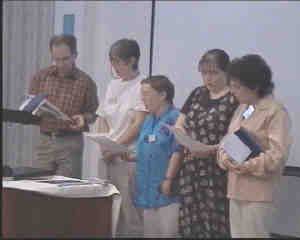
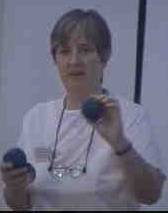 The European group did
the worship service on the 25th. During
the worship three balls were brought out to show the symbol of sharing and
caring. The balls or small globes
were passed around to each other and as the balls were given the person giving
the ball had to show and make the receiver feel that he or she is cherished.
The European group did
the worship service on the 25th. During
the worship three balls were brought out to show the symbol of sharing and
caring. The balls or small globes
were passed around to each other and as the balls were given the person giving
the ball had to show and make the receiver feel that he or she is cherished.
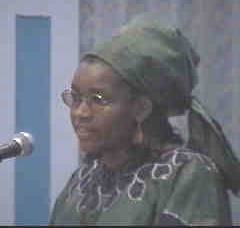
“Violence
against women is not an isolated incident”
– says Dr. Musa
Violence
against women is not an isolated incident but it is a systematic, planned and
carefully built in to our system said Dr. Musa during her keynote address.
She took the group through the biblical literature quoting example after
example of how the women were exploited.
A Thought…after listening to Dr. Musa
on the morning of 25th.
 After
listening to Dr. Musa we were reminded of many things.
Most of the things shared are very much present in our society.
Gender Construction is a crime against human beings.
When a child is born we give them toys and by the toy we tell the child
what is expected of them. The boys
are given cars and soldiers, while the girls are given dolls and kitchen sets to
play with. Not only through the
toys but also when the child goes to school he or she is told repeatedly of what
is expected of them. For example in
the subject of maths the numerical problems will be as follows: -
After
listening to Dr. Musa we were reminded of many things.
Most of the things shared are very much present in our society.
Gender Construction is a crime against human beings.
When a child is born we give them toys and by the toy we tell the child
what is expected of them. The boys
are given cars and soldiers, while the girls are given dolls and kitchen sets to
play with. Not only through the
toys but also when the child goes to school he or she is told repeatedly of what
is expected of them. For example in
the subject of maths the numerical problems will be as follows: -
1
Mr. Manik goes to the bank and gets 500 rs.
The next day he puts back 1000rs. How
much money does he have in the bank now?
2
Mrs Neelu went to buy vegetables for her house.
Each vegetable cost 5rs a kilo. If
Mrs Neelu has 15 rs, how many items can she buy for her house?
This
is the typical problem structure given in the maths textbooks for children.
It is always a Mr. So and So who goes to the bank and never a Miss or a
Mrs. And it is always a Mrs or a Miss So and So who goes to the vegetable
market. What are we trying to say
or teach our children? Recently a
friend was narrating an incident that happened to her.
One day during the examination of her 6 year old there was a question in
the exam which had mother and near it there were three options: car, jars and
bars. The other side was father
with the same three options: cars, jars and bars.
After the exam the child marked jars for mother and cars for father.
When the child was asked why jars for mummy and why not cars or bars for
mummy and jars for daddy, the child replied that her friend had marked it that
way and had got it wrong. So, who
is to be blamed the teacher or the system?
Well, it is time to stop pointing it out to each other and start doing
something constructive at once. We
are here at the Conference on global meeting on the community of men and women
in mission. As the whole world
celebrates this year as the international year of women, let us all pledge to
bring about a change in our homes if not the world.
 A workshop on HIV AIDS
was held in a very remote village of Tumsar by the Church development agency.
All the girls came from a very typical village home in Maharashtra where
the girls have no say whatsoever in any matter. The birth of a girl child for the parents itself is a matter
of great shame and embarrassment. They
are brought up in their houses with the thought that the parent letting them
live there is a great sacrifice for them. So
when the time comes for the marriage they are given away like a goat to the
sacrificial altar. The girls do not
know the basic fact of where babies come from; never mind the actual process of
making babies. This is where
workshops on Aids come in handy where all the miscommunication is made right and
all doubts are cleared up. The
whole concept of teen peer education is very relevant in these small villages,
where the girls are very friendly with each other more than they are friendly
with their family members. But we are mistaken to think that our job is done.
A follow up is very important. We
have taught the girls about Aids and that is it for us, do we sit and realise
what must be happening in the houses of these girls?
The girls in the workshop have learnt all about Aids and how it is
contracted and how to protect and be protected.
But we are overlooking some thing here.
Do we think about the problems faced by these girls after they go back? Of course we have taught them about what a condom is and how
to put it on your man and stuff. But
when a girl is married off in another village and when she is with her husband
for the first time, do we think that the girl will be able to tell her husband
to put a condom? Even if she
musters up courage to tell him that, we are fools to think that all is fine.
The man will be very surprised that his new wife knows all about it.
Then here comes the real problem, beating up the wife and terming her as
a characterless women and then divorce will all come in a straight line.
Here comes the importance of knowledge about Aids for men. Here is where
Dr. Musa’s sentence of, “men can make a difference” comes in.
Knowing about Aids is not enough but to tell everyone whom we know about
Aids will make a difference.
A workshop on HIV AIDS
was held in a very remote village of Tumsar by the Church development agency.
All the girls came from a very typical village home in Maharashtra where
the girls have no say whatsoever in any matter. The birth of a girl child for the parents itself is a matter
of great shame and embarrassment. They
are brought up in their houses with the thought that the parent letting them
live there is a great sacrifice for them. So
when the time comes for the marriage they are given away like a goat to the
sacrificial altar. The girls do not
know the basic fact of where babies come from; never mind the actual process of
making babies. This is where
workshops on Aids come in handy where all the miscommunication is made right and
all doubts are cleared up. The
whole concept of teen peer education is very relevant in these small villages,
where the girls are very friendly with each other more than they are friendly
with their family members. But we are mistaken to think that our job is done.
A follow up is very important. We
have taught the girls about Aids and that is it for us, do we sit and realise
what must be happening in the houses of these girls?
The girls in the workshop have learnt all about Aids and how it is
contracted and how to protect and be protected.
But we are overlooking some thing here.
Do we think about the problems faced by these girls after they go back? Of course we have taught them about what a condom is and how
to put it on your man and stuff. But
when a girl is married off in another village and when she is with her husband
for the first time, do we think that the girl will be able to tell her husband
to put a condom? Even if she
musters up courage to tell him that, we are fools to think that all is fine.
The man will be very surprised that his new wife knows all about it.
Then here comes the real problem, beating up the wife and terming her as
a characterless women and then divorce will all come in a straight line.
Here comes the importance of knowledge about Aids for men. Here is where
Dr. Musa’s sentence of, “men can make a difference” comes in.
Knowing about Aids is not enough but to tell everyone whom we know about
Aids will make a difference.
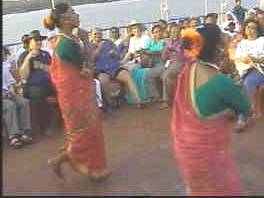
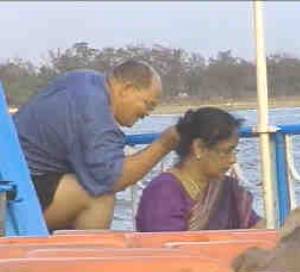
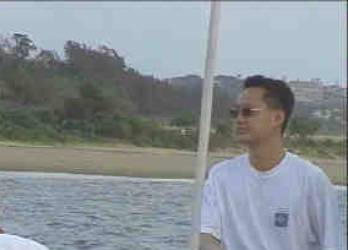
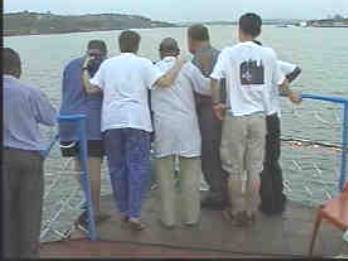
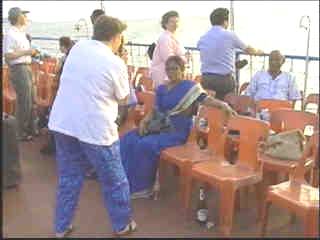
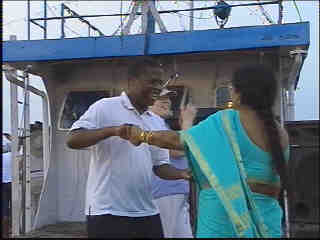
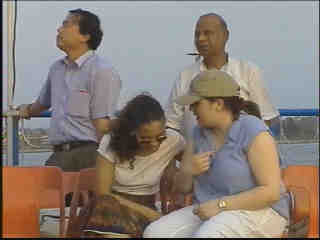
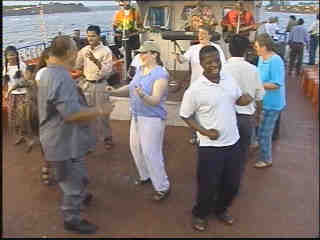
Glimpses of the TRIP to the city of Panjim….
and the boat ride on the Mandovi river….


“Our culture dose not permit the oppression of women”,
says Mr. Tauese Sunia.
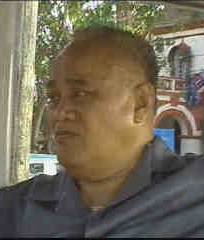 "This
conference has been and is really being an eye opener to me”, said Mr.Tauese
Sunia during an interview. There is
no gender issue in American Samoa. Women are free and enjoy a strong place in
church and society. Our culture
does not permit the oppression of women. Most
men in our country think that the women are better off than the men.
There are no ordained women priests as such, but we do have deacons and
lay teachers. Once the priest is
ordained then his wife automatically takes the responsibility.
The wife preaches and also teaches at the Sunday school.
The priest’s wife also teaches the children about the culture and
Christian values. We have to ordain
women pastors and presently we are supporting three for studies.
Of the three, two are placed in Australia and one in Fiji.
If they come back after finishing their studies and want to be ordained
we will ordain them with a happy heart.
"This
conference has been and is really being an eye opener to me”, said Mr.Tauese
Sunia during an interview. There is
no gender issue in American Samoa. Women are free and enjoy a strong place in
church and society. Our culture
does not permit the oppression of women. Most
men in our country think that the women are better off than the men.
There are no ordained women priests as such, but we do have deacons and
lay teachers. Once the priest is
ordained then his wife automatically takes the responsibility.
The wife preaches and also teaches at the Sunday school.
The priest’s wife also teaches the children about the culture and
Christian values. We have to ordain
women pastors and presently we are supporting three for studies.
Of the three, two are placed in Australia and one in Fiji.
If they come back after finishing their studies and want to be ordained
we will ordain them with a happy heart.
The problem is, if a woman becomes a pastor, will the husband be able to take up the wife’s role? Here we think that the husbands may say no. This again is not a question of gender issues but we could say that it is our culture and also a part of our Christian values. Christianity is very strong in our country and no one gets away after insulting a priest. Just recently in a village a priest was beaten up and the village council dealt with the matter. The matter happened on Friday night and after the church on Sunday a meeting was called to see what could be done by the members. The village council then banished the boys and their families from the village and the houses belonging to the boys were burnt down. So such is the respect for the priest in our place. Christianity is strong and goes hand in hand with our culture. We have places for everybody, the young and the old, the men and the women, the married and the not married. During the interview we came to know that Mr. Tauese loves mangoes and what a coincidence that he has come to India during the mango season. He feels very familiar in India though he has come here for the first time. Some day he is going to visit this place with the whole family. He is going to Delhi and Agra to see the Taj Mahal before leaving INDIA.
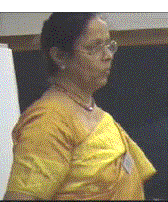
“Women in India live in a state of europia”
says Ms Jyotsana
Patro.
 Every
woman in India, educated and uneducated, is a part of a vicious cycle.
A woman when she gets up in the morning is on her feet to look after her
family, children, house and work. She
has no time for herself and she lives the life of a robot.
Such is her work and the amount of busyness that she is not permitted to
become ill! Christian women have
the biblical figure painted over their minds, the picture that they should be a
good wife to the husband, a good mother to her children and a good
daughter-in-law. She is supposed to
sacrifice herself for her family’s happiness.
Women have to keep on suffering thinking that it is the will of God and
little dose she realise that it is a sin to give her body so much problem and
that the body is God’s temple and we are going against it.
Awareness in the CNI has been successful to some extent and it has been
mostly successful at the diocesan level. Now
a plan is on to make it come to the grassroots level.
With the help of the CWM the joint programme of the CNI, CSI and the Mar
Thoma Church looks at the needs of the churches.
In the month of November a National Level consultation will be held for
which the church members from Pakistan, Bangladesh and
Myanmar will be invited. The
conference will be on Men and Women in Mission.
Every
woman in India, educated and uneducated, is a part of a vicious cycle.
A woman when she gets up in the morning is on her feet to look after her
family, children, house and work. She
has no time for herself and she lives the life of a robot.
Such is her work and the amount of busyness that she is not permitted to
become ill! Christian women have
the biblical figure painted over their minds, the picture that they should be a
good wife to the husband, a good mother to her children and a good
daughter-in-law. She is supposed to
sacrifice herself for her family’s happiness.
Women have to keep on suffering thinking that it is the will of God and
little dose she realise that it is a sin to give her body so much problem and
that the body is God’s temple and we are going against it.
Awareness in the CNI has been successful to some extent and it has been
mostly successful at the diocesan level. Now
a plan is on to make it come to the grassroots level.
With the help of the CWM the joint programme of the CNI, CSI and the Mar
Thoma Church looks at the needs of the churches.
In the month of November a National Level consultation will be held for
which the church members from Pakistan, Bangladesh and
Myanmar will be invited. The
conference will be on Men and Women in Mission.
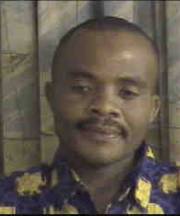
“ I am very happy with the
conference”,
- says Rev. Prince.

Rev. Prince has been connected with the CWM for the past 7 years. He is a minister in Botswana. “We in our place have taught the women not only to pray but do some action as well”, said Prince while talking to the reporter. He says that it is very difficult to change things that have been around for centuries. He has worked with his wife to raise awareness for men and women’s partnership and has faced a lot of problems. Women have to be given more chances and the last 4 or 5 years have seen many young women come up to the forefront to actively join the ministry. I could only wish for more to join, says Rev. Prince. We are equal, says Rev. Prince, but some churches are not happy. The churches that have not accepted women priests have been rebuked and challenged by us. Once Rev. Prince was asked to take the responsibility to place an ordained minister when one of the churches refused straight away to accept the woman priest. His own wife who is an ordained priest has had problems as well. About the work done in the last ten years he says he has mixed feelings. We have started off but we have not achieved very much. I don’t say that we have wasted those ten years but what I feel is that we must challenge, think and rethink. We should sit and look at all our doings and learn from them and also pledge at the same time that we are not going to repeat our mistakes again. As a planning member of this particular conference I am very happy with the whole thing. It is the diversity of the people, some are not involved, some have been recently involved and some have been in this issue for years. But the way the whole group responds to each other is amazing. The honesty and frankness with which the issues are discussed are very interesting. I am very happy with it.
 We asked Rev. Prince if
he would be the general secretary of CWM what would be on his agenda. To which
he replied: I would like to see
more and more women on the executive staff of the CWM.
He said that he would refuse funding to the member churches who do not
accept women as priests in their churches.
Last but not least he would spend more and more time personally with the
member churches, talking and discussing partnership. This he would do because he knows that power speaks in every
part of the world. As a
general secretary it would come with authority.
We asked Rev. Prince if
he would be the general secretary of CWM what would be on his agenda. To which
he replied: I would like to see
more and more women on the executive staff of the CWM.
He said that he would refuse funding to the member churches who do not
accept women as priests in their churches.
Last but not least he would spend more and more time personally with the
member churches, talking and discussing partnership. This he would do because he knows that power speaks in every
part of the world. As a
general secretary it would come with authority.
“MY
heart is in Mission”,
says Bishop Albert Bowa.
Bishop
in the United Church of Zambia he was ordained in 1991 and was elected as Bishop
in 1995. In 96 he was re-elected as
Bishop and this is his 6th year as a Bishop serving his congregation.
Mission has and will always be a part of me, says bishop Albert.
When I meditate on the scripture portions I go beyond myself to see what
it has to say to us. Looking and
trying to fulfil the need of others and the poor, marginalised and the
downtrodden is mission. I always
pray to God that he will use me and my position to be an agent of change in the
society. As a bishop I have the influence to change, I have brought
about some changes and am planning to bring some more. We must speak to the general congregation about partnership
and then move forward and get all the Bishops in the region to come together.
We once called the grass roots people and we were so much moved and
challenged by their stories and experiences that it gave a completely new
outlook on the situation. Women
should have the power to make decisions and see that it works.
There are four types of relationships, the first one is the blood
relationship, the second one is marriage, the third is the common friendship and
the fourth and the last one is drinking from the same well.
The last one touched the Bishop very much.
Coming near the common well to drink and quench your thirst, forgetting
all your differences, is a unique thing. We
all must share the same water and come together to the foot of the cross.
This conference has no doubt helped everyone and CWM has been always
giving out rich experiences. The methodology has helped me and when I organise a
conference I will be using the same methods.
Your reactions:
In a bus one day there was a lady who was aware of
the rights of women and believed in liberation for women. One day during travelling in an overcrowded bus there was no
seat and she was pushed and pulled. One
man offered her his seat in the bus and she said ‘thank you’ and politely
refused. What do you think?
1. Should
she have accepted the offer and sat down?
OR
2. Was
she right in refusing and suffering in silence?
If you think that no. 1 is right then please put 1
yes or 2 yes.
Please give us your answers by today evening on a
piece of paper marked with M for Male and F
for Female. Please do not put in your names.
We are doing the M and F
marking so that we know the reactions from both sides of the genders.
Produced by:
Ms. Shona Thangavel, Church of North India,
For the Council for World Mission, Reporting from
Goa.
E-Mail:
shona@nagpur.dot.net.in